
Handwriting Without Tears Worksheets PDF Free: A Comprehensive Guide
Navigating the world of early childhood education often leads parents and educators to seek effective resources, and Handwriting Without Tears (HWT) consistently emerges as a top choice․
Understanding Handwriting Without Tears (HWT)
Handwriting Without Tears (HWT) is a multi-sensory approach to teaching handwriting, developed by occupational therapist Jan Olsen․ It diverges from traditional methods by focusing on developmentally appropriate skills, building from pre-writing strokes to letter formation․ The program emphasizes proper formation of uppercase and lowercase letters, utilizing tactile, kinesthetic, and visual pathways for learning․
Unlike rote memorization, HWT incorporates activities like using playdough to form letters, tracing in sand, and utilizing specialized tools like wooden pieces․ This approach acknowledges that handwriting is a complex skill requiring muscle development and spatial awareness․ It’s designed to be engaging and fun, reducing frustration for young learners․ The core philosophy centers around building a strong foundation before introducing pencil-and-paper tasks, ensuring success and confidence․
The Core Principles of HWT
Handwriting Without Tears (HWT) rests upon several key principles․ First, it prioritizes a developmental sequence, starting with gross motor skills and progressing to fine motor control․ Second, multi-sensory learning is central – engaging touch, sight, and movement to reinforce letter formation; Third, HWT emphasizes proper posture and grip, crucial for comfort and legibility․
The program also focuses on letter groupings based on similar strokes, simplifying the learning process․ Capital letters are introduced before lowercase, as they are formed with simpler straight lines․ Consistent use of specific language (“big line, little line, big curve, little curve”) aids recall․ Finally, HWT promotes a playful and encouraging environment, minimizing pressure and maximizing engagement, fostering a positive attitude towards handwriting․
Benefits of Using HWT Worksheets
Handwriting Without Tears (HWT) worksheets offer numerous advantages for developing handwriting skills․ They provide structured practice, reinforcing correct letter formation through repetition and visual cues․ The worksheets’ design aligns with HWT’s multi-sensory approach, often incorporating tactile elements and opportunities for kinesthetic learning․
Using these resources can improve letter legibility, spacing, and overall handwriting fluency․ They also build confidence in young writers, as success is achievable through incremental steps․ Furthermore, HWT worksheets support fine motor skill development, hand-eye coordination, and visual-motor integration․ The program’s systematic approach addresses common handwriting challenges, like reversals, and promotes a comfortable, efficient writing style․
Finding Free HWT Worksheets PDF
Locating free, downloadable Handwriting Without Tears worksheets requires diligent searching, as official resources are often limited, but several avenues exist online․
Official HWT Website Resources
Handwriting Without Tears offers a wealth of information and some free resources directly on their official website, lwtears․com․ While comprehensive worksheet bundles are typically purchased, the site provides valuable sample activities and printable materials to introduce the program’s core concepts․
Look for “Free Resources” or “Printable Activities” sections․ These often include letter formation guides, pre-writing skill builders, and quick start guides demonstrating the multi-sensory approach․ The website also features informative videos showcasing proper letter formation and techniques for teaching handwriting․
Furthermore, HWT frequently hosts webinars and online workshops, some of which may offer downloadable resources to participants․ Regularly checking their website and subscribing to their newsletter ensures you stay informed about newly released free materials and promotional offers․ Remember to explore the “Parent Resources” and “Teacher Resources” areas for tailored content․
Third-Party Websites Offering Free Downloads
Numerous educational websites and blogs curate free Handwriting Without Tears worksheets, though availability fluctuates․ Websites like Education․com, Teachers Pay Teachers, and various Pinterest boards often host user-submitted or publicly shared HWT-aligned materials․ Exercise caution when downloading from these sources, verifying the content aligns with HWT principles․
Search specifically for “Handwriting Without Tears free printables” or “HWT worksheets PDF” to refine results․ Many occupational therapy blogs also offer free HWT-inspired activities and worksheets designed to support handwriting development․ Always preview the materials to ensure they are age-appropriate and meet your child’s specific needs․
Be mindful of potential copyright restrictions and ensure the website is reputable before downloading․ While these resources can supplement learning, they may not offer the full scope of the HWT program․
Legal Considerations & Copyright
Downloading and using Handwriting Without Tears (HWT) worksheets, particularly those offered freely online, necessitates awareness of copyright laws․ HWT materials are copyrighted, and unauthorized reproduction or distribution is prohibited․ While some educators and individuals may share worksheets for personal use, reselling or posting them publicly without permission infringes on copyright․
Official HWT materials purchased directly from their website grant specific usage rights․ Third-party websites offering “free” downloads may not have the legal right to distribute the content․ Always check the website’s terms of service and licensing agreements before downloading․
Prioritize obtaining materials from legitimate sources to support the creators and ensure compliance with copyright regulations․ Using legally obtained resources demonstrates respect for intellectual property and supports the continued development of quality educational materials․

Types of HWT Worksheets Available
HWT worksheets encompass a diverse range, from pre-writing strokes to mastering capital and lowercase letter formations, catering to varied skill levels and developmental stages․
Pre-Writing Skills Worksheets
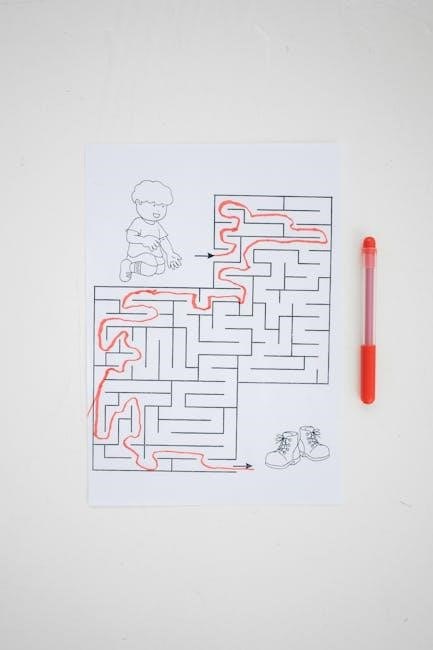
Before formal letter formation, Handwriting Without Tears emphasizes building foundational pre-writing skills․ These worksheets focus on developing the muscle strength, visual-motor coordination, and directional control necessary for successful handwriting․ Common exercises include tracing lines – straight, curved, dashed – and shapes like circles, squares, and crosses․
These activities aren’t just about making marks; they’re about establishing proper hand positioning and movement patterns․ Worksheets often incorporate playful themes and colorful illustrations to maintain engagement․ Many pre-writing sheets encourage children to practice forming “big lines,” “little lines,” “big curves,” and “little curves” – the fundamental strokes used in letter construction․
The goal is to build confidence and automaticity with these basic skills, setting the stage for smoother letter formation later on․ These foundational exercises are crucial for children who are just beginning to explore writing and drawing․
Letter Formation Worksheets (Capital Letters)
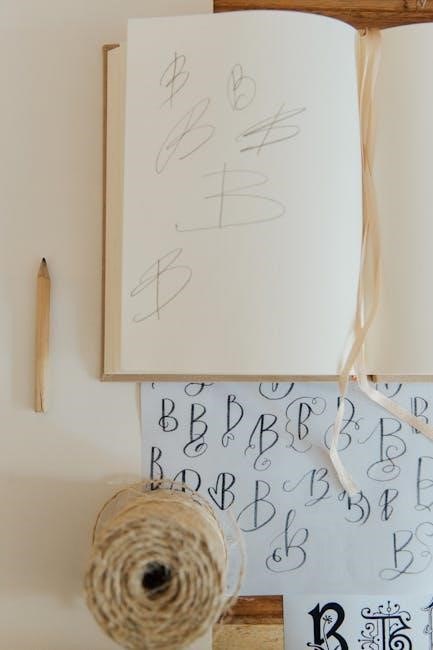
Handwriting Without Tears capital letter worksheets introduce each letter systematically, breaking down the formation into simple, multi-sensory steps․ Worksheets typically feature dotted lines for tracing, encouraging students to follow the correct stroke order․ Emphasis is placed on starting letters at the top, reinforcing proper muscle memory․
These worksheets often utilize the “sky, grass, tree, root” cues – a memorable analogy to guide letter height and placement․ For example, the capital letter ‘B’ starts at the sky, goes down to the grass, then curves up and down to the root․
Following tracing, students are prompted to copy the letter independently, gradually increasing their control and accuracy․ Worksheets may also include opportunities to write the letter within words, reinforcing its application in context․ Consistent practice with these worksheets builds confidence and legibility․
Letter Formation Worksheets (Lowercase Letters)
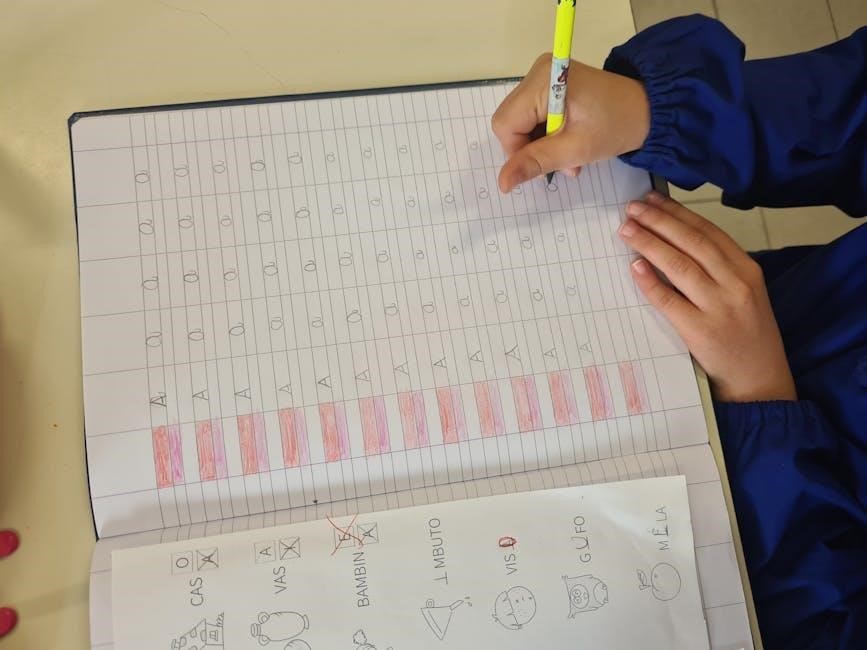
Handwriting Without Tears lowercase letter worksheets build upon the foundation established with capital letters, maintaining the same multi-sensory approach․ These worksheets often introduce letters in groups based on formation similarities, streamlining the learning process․ For instance, letters like ‘a’, ‘d’, ‘g’, and ‘q’ share a circular component․
Worksheets feature dotted lines for tracing, emphasizing correct stroke order and direction․ The “magic C” is a key concept – many lowercase letters begin with a C-shaped curve․
Students progress from tracing to independent copying, with worksheets incorporating opportunities to write letters within simple words․ Consistent practice reinforces proper formation and spacing․ The program’s focus on tactile and kinesthetic learning ensures that lowercase letter formation becomes automatic and fluent․
HWT Worksheets by Skill Level
Categorizing worksheets by skill level—beginner, intermediate, and advanced—allows for targeted practice, ensuring students are appropriately challenged and experience success․
Beginner Worksheets (Tracing & Pre-Writing)
For young learners or those new to handwriting, beginner worksheets focus on foundational skills․ These typically involve tracing activities, where children follow dotted lines to form letters and shapes, building muscle memory and hand control․ Pre-writing strokes, like circles, lines, and curves, are also emphasized to develop the necessary motor skills․
These worksheets often incorporate multi-sensory elements, encouraging children to use playdough, sand, or even their fingers to practice these strokes․ The goal isn’t perfect letter formation at this stage, but rather building a strong foundation for future success․ Look for worksheets that introduce one or two strokes at a time, preventing overwhelm and fostering confidence․ Many free PDF resources offer variations of these foundational exercises, allowing for diverse practice opportunities․
Intermediate Worksheets (Letter Recognition & Copying)
As children progress, intermediate worksheets bridge the gap between tracing and independent writing․ These resources emphasize letter recognition – identifying both uppercase and lowercase letters – and introduce copying skills․ Worksheets often present a letter and ask the child to replicate it in a designated space, fostering visual-motor integration․
Focus shifts towards correct letter formation, often utilizing the HWT method’s “sky, grass, snake, slide” cues for specific letters․ Worksheets may include activities where students circle specific letters within a group or match uppercase and lowercase pairs․ The emphasis remains on building consistency and accuracy․ Free PDF options frequently offer themed worksheets, making practice more engaging, and gradually reducing the reliance on dotted lines as confidence grows․
Advanced Worksheets (Independent Writing)
Advanced Handwriting Without Tears worksheets propel students towards fluent, independent writing․ These resources move beyond letter formation drills, focusing on sentence construction and paragraph writing․ Worksheets often present prompts encouraging children to write about personal experiences, stories, or descriptive topics․
The goal is to apply learned letter formation skills in a functional context, emphasizing legibility and spacing․ Expect worksheets incorporating lines for consistent height and width, encouraging proper letter size․ Free PDF downloads at this level may include story starters, journal prompts, or themed writing activities․ The focus shifts from how to form letters to what to write, building confidence and encouraging creative expression while reinforcing established handwriting habits․
Integrating HWT Worksheets into Learning
Seamlessly blend Handwriting Without Tears worksheets into diverse learning environments – homeschooling, classrooms, or targeted remedial practice – for optimal handwriting development and skill reinforcement․
Homeschooling Applications
Handwriting Without Tears (HWT) worksheets are exceptionally well-suited for homeschooling environments, offering a structured yet adaptable approach to handwriting instruction․ The program’s multi-sensory methods align beautifully with many homeschooling philosophies, particularly those emphasizing hands-on learning and individualized pacing․
Parents can easily integrate HWT worksheets into existing curricula, supplementing literature-based studies or unit studies with focused handwriting practice․ The availability of free PDF resources allows for cost-effective implementation, enabling families to tailor the program to their specific needs and budget․
HWT’s emphasis on proper letter formation and pre-writing skills builds a strong foundation for future writing success․ The worksheets provide clear visual cues and opportunities for repetition, fostering confidence and independence in young writers․ Furthermore, the program’s gentle approach minimizes frustration, making handwriting practice a positive experience for both parent and child․
Classroom Supplementation
Handwriting Without Tears (HWT) worksheets serve as an excellent supplemental resource for classroom teachers seeking to reinforce handwriting skills․ Integrating these worksheets into existing language arts lessons provides students with targeted practice in letter formation, spacing, and overall legibility․ The program’s multi-sensory approach complements traditional handwriting instruction, catering to diverse learning styles․
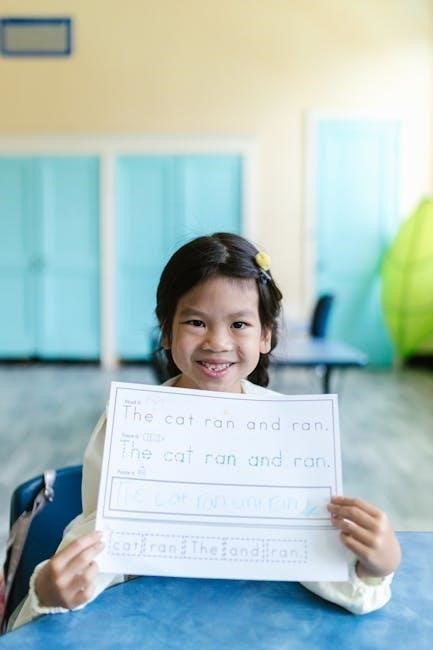
Free PDF worksheets offer a convenient and affordable way to provide individualized support to students who require extra assistance․ Teachers can utilize these resources for small group work, learning centers, or homework assignments․
HWT’s systematic progression from pre-writing skills to letter formation ensures that students develop a solid foundation in handwriting․ The worksheets’ clear and concise format minimizes confusion and promotes independent practice, freeing up valuable classroom time for other instructional activities․ They are a valuable tool for differentiation․
Remedial Practice for Handwriting Difficulties
Handwriting Without Tears (HWT) worksheets are particularly beneficial for students experiencing handwriting challenges․ The program’s focus on proper letter formation and spatial awareness directly addresses common difficulties like letter reversals, inconsistent sizing, and poor spacing․ Free PDF worksheets provide accessible practice opportunities for targeted skill development․
For students struggling with grip or posture, HWT’s emphasis on proper body positioning and tool use is invaluable․ Worksheets can be used alongside multi-sensory activities to reinforce these concepts․ The program’s gradual progression allows students to build confidence and mastery at their own pace․
Consistent practice with HWT worksheets can help students overcome frustration and develop a more fluent and legible handwriting style․ They offer a structured approach to remediation, helping students build essential skills and improve their overall academic performance․

Alternatives to PDF Worksheets
Beyond printable PDFs, Handwriting Without Tears offers digital resources and engaging, multi-sensory activities to reinforce skills and cater to diverse learning styles․
HWT Digital Resources & Apps
Handwriting Without Tears extends beyond traditional worksheets with a suite of digital tools designed to enhance the learning experience․ Their Letters and Numbers for Me! app provides interactive, multi-sensory practice for letter and number formation, utilizing playful animations and positive reinforcement․ This app adapts to the child’s skill level, offering personalized instruction and tracking progress․
HWT also offers web-based resources, including digital letter formation activities and games accessible on computers and tablets․ These resources often mirror the physical manipulatives used in the program, such as wood pieces and chalkboards, creating a consistent learning environment․ The digital format allows for immediate feedback and encourages independent practice․ Furthermore, these digital options can be particularly beneficial for students who thrive in a technology-rich environment or require additional support beyond traditional methods․
Multi-Sensory Activities to Support HWT
Handwriting Without Tears truly shines when paired with multi-sensory activities, reinforcing letter formation through tactile and kinesthetic experiences․ Beyond worksheets, consider using playdough to roll “snakes” and form letters, or building letters with Wikki Stix on a tabletop․ Sand trays provide a tactile surface for practicing letter formation with a finger, while shaving cream offers a fun, messy alternative․
Incorporating music and movement is also beneficial․ Children can “skywrite” letters with their arms, or trace letters in the air while reciting the letter name and sound․ Utilizing small objects like beans or rice to trace letter shapes adds another sensory dimension․ These activities cater to different learning styles, making handwriting practice more engaging and memorable, ultimately solidifying the skills taught by HWT․
Creating Your Own HWT-Inspired Activities
Handwriting Without Tears principles are easily adaptable for creating personalized learning experiences․ Don’t feel limited to pre-made worksheets! Leverage everyday materials – use sidewalk chalk for large motor practice of letter shapes, or create letter hunts in magazines․ Focus on the core HWT concepts: starting points, line types (big curve, little curve, straight lines), and proper formation․
Design games that reinforce these skills․ For example, “Letter Detective” involves finding specific letters in books or around the room․ Build letters with LEGOs or blocks, emphasizing the correct stroke order․ Remember to keep it playful and avoid pressure․ The goal is to internalize letter formation through engaging, self-directed activities, extending the benefits of HWT beyond traditional practice․

Troubleshooting Common Issues
Addressing handwriting challenges requires patience and targeted strategies; reversals, spacing, and grip are frequent concerns needing individualized attention and consistent practice․
Difficulty with Letter Reversals
Letter reversals (like ‘b’ for ‘d’ or ‘p’ for ‘q’) are incredibly common, especially for young learners, and shouldn’t immediately cause alarm․ The Handwriting Without Tears approach directly addresses this through multi-sensory techniques․ Worksheets focusing on starting line placement are crucial; understanding where a letter begins on the line helps differentiate shapes․
Tactile activities, such as forming letters with playdough or tracing them in sand, reinforce correct orientation․ Verbal cues – “big belly on the left” for ‘b’ – can also be helpful․ Avoid simply telling a child they’ve reversed a letter; instead, gently guide them to discover the error themselves․ Consistent practice with HWT worksheets, specifically those designed for reversal correction, builds muscle memory and visual discrimination skills․ Patience is key, and celebrating small improvements boosts confidence․
Problems with Letter Spacing
Inconsistent letter spacing – letters too crowded or too far apart – is another frequent challenge․ Handwriting Without Tears emphasizes “sky, grass, sea” as a visual guide for letter height and spacing․ Worksheets often incorporate this concept, using lines to demonstrate appropriate distances between letters within words․
Using a finger space or a small bead as a physical spacer can be beneficial during practice․ Encourage children to verbalize the space as they write, saying “space” between each word․ Modeling correct spacing is also vital; demonstrate clearly how much room should be left․ Avoid overwhelming the child with corrections; focus on one aspect of spacing at a time․ Consistent use of HWT worksheets, alongside tactile activities, helps develop a visual sense of appropriate spacing․
Grip and Posture Concerns
Proper grip and posture are foundational for legible handwriting and preventing fatigue․ Handwriting Without Tears advocates for a tripod grasp – using the thumb, index, and middle fingers – but acknowledges that development varies․ Worksheets indirectly support this by encouraging short, controlled strokes․
Ensure the child sits with feet flat on the floor, back supported, and paper positioned at a slight angle․ Consider using pencil grips if the child struggles with a tripod grasp, but prioritize comfort and functionality․ Observe for signs of tension in the hand or arm․ Short, frequent practice sessions are more effective than long, strained ones․ Occupational therapy resources (see below) offer detailed guidance on addressing grip and posture issues, complementing HWT’s approach․

Resources for Further Learning
Expanding your knowledge base ensures continued success with HWT; explore the official website, occupational therapy insights, and supportive online communities for guidance․
Handwriting Without Tears Official Website
The Handwriting Without Tears (HWT) official website (www;hwot․com) serves as the primary hub for all things related to their multi-sensory approach to handwriting instruction․ While completely free worksheets are limited, the site offers a wealth of valuable resources․ You’ll find detailed information about the program’s philosophy, the developmental progression of skills, and how HWT differs from traditional methods․
A key feature is the “Resources” section, which includes printable letter and number formation guides, activity ideas, and information on their various products․ They often provide sample worksheets and downloadable materials for assessment purposes․ Furthermore, the website showcases professional development opportunities for educators, including workshops and online courses․ Exploring the blog and FAQ sections can address common questions and provide practical tips for implementation․ Keep an eye out for promotional offers or limited-time free downloads that are occasionally available․
Occupational Therapy Resources for Handwriting
Occupational therapists (OTs) are frequently involved in addressing handwriting challenges, and numerous online resources cater specifically to their expertise․ Websites like the American Occupational Therapy Association (AOTA) (www․aota․org) offer articles, research, and professional development opportunities related to handwriting intervention․ Many OTs share free printable resources, activity ideas, and adapted worksheets on their individual blogs and websites․
Searching for “handwriting occupational therapy resources” will yield a plethora of options․ These resources often focus on underlying skills crucial for handwriting, such as fine motor development, visual-motor integration, and postural control․ You can find information on adapting activities for children with various needs, including dysgraphia or sensory processing difficulties․ OT-focused resources frequently complement HWT principles, offering strategies to address specific challenges and enhance overall handwriting success․ Look for downloadable checklists and assessment tools too․
Online Communities & Forums for HWT Users
Connecting with other parents and educators using Handwriting Without Tears (HWT) can provide invaluable support and shared insights․ Facebook groups dedicated to HWT are incredibly popular, offering a space to ask questions, share successes, and troubleshoot challenges․ These groups often feature members sharing free printable worksheets and adapted activities, supplementing official resources․

Online forums, while less common, can also provide a more in-depth discussion platform․ Searching for “Handwriting Without Tears forum” will reveal relevant communities․ Pinterest boards curated around HWT are another excellent source of ideas and free downloads․ These platforms allow users to exchange tips on implementing the program, adapting it for different learners, and finding creative ways to reinforce skills․ Remember to always verify the source and copyright of any shared materials․