
Discover how to locate, download, and play the “Mary Did You Know” piano sheet music PDF․ This guide covers key signatures, tempo markings, and practical tips for pianists seeking a faithful rendition of the beloved Christmas classic․ Enjoy expressive performance․Play heartfelt reverence guiding now․!!!!
Background of the Song and Its Popularity
“Mary Did You Know” emerged in 1991 as a contemporary Christmas hymn penned by Mark Lowry and Buddy Greene․ Its lyrical meditation on the mystery of Christ’s incarnation struck a chord with listeners worldwide, leading to rapid adoption by churches, choirs, and solo performers․ The song’s simple yet profound narrative—posing reflective questions about Mary’s awareness of her son’s future—resonates across denominational lines, making it a staple in holiday repertoires․ Over the past three decades, the piece has been recorded by a diverse array of artists, from traditional gospel singers to pop vocalists, each bringing unique stylistic interpretations․ Its melodic structure, characterized by a memorable ascending motif and gentle harmonic progression, lends itself well to piano arrangements, encouraging pianists to explore expressive dynamics and subtle voicings․ The widespread popularity of the song is reflected in its frequent inclusion in televised Christmas specials, church services, and holiday concerts, as well as in the proliferation of sheet music editions․ As a result, the demand for high‑quality piano sheet music PDFs has grown, prompting publishers to release faithful transcriptions that preserve the song’s lyrical intent while adapting it for solo piano performance․ Whether used in a small family gathering or a large concert hall, “Mary Did You Know” continues to inspire musicians and audiences alike, cementing its place as a modern classic in the Christmas canon․
Is evident in the countless cover versions that have appeared on streaming platforms, adding new textures while preserving the core message․ Pianists often adapt the piece to showcase their range, making it a favorite for holiday concerts worldwide․ !!!
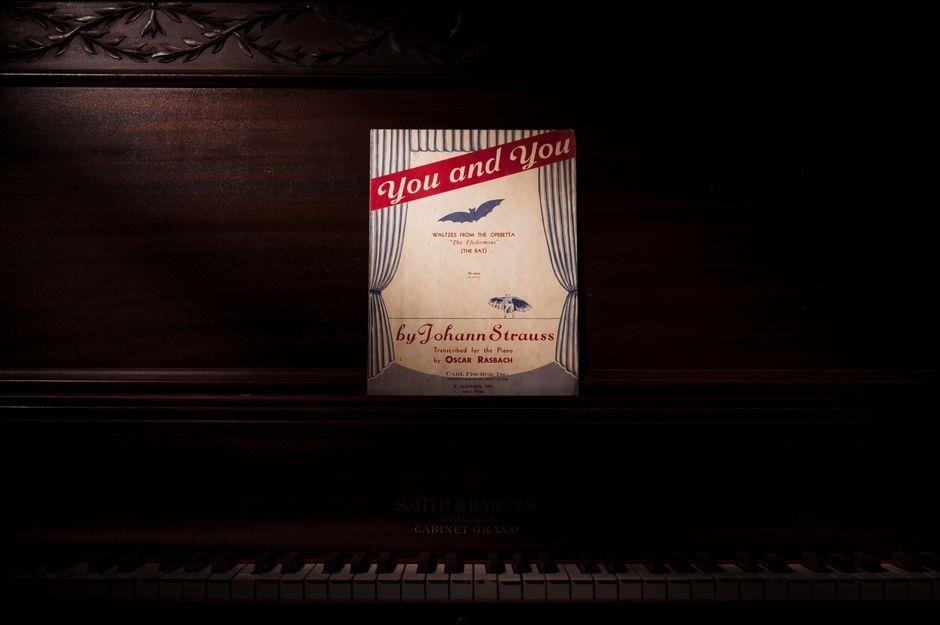
Finding Authentic PDF Versions
Authentic PDFs come from reputable publishers or licensed distributors․ Verify the publisher’s name, ISBN, and copyright notice․ Avoid unverified sites; use official music stores or the publisher’s website to ensure accurate transcriptions and legal compliance․ Download from authorized outlets only․!!!
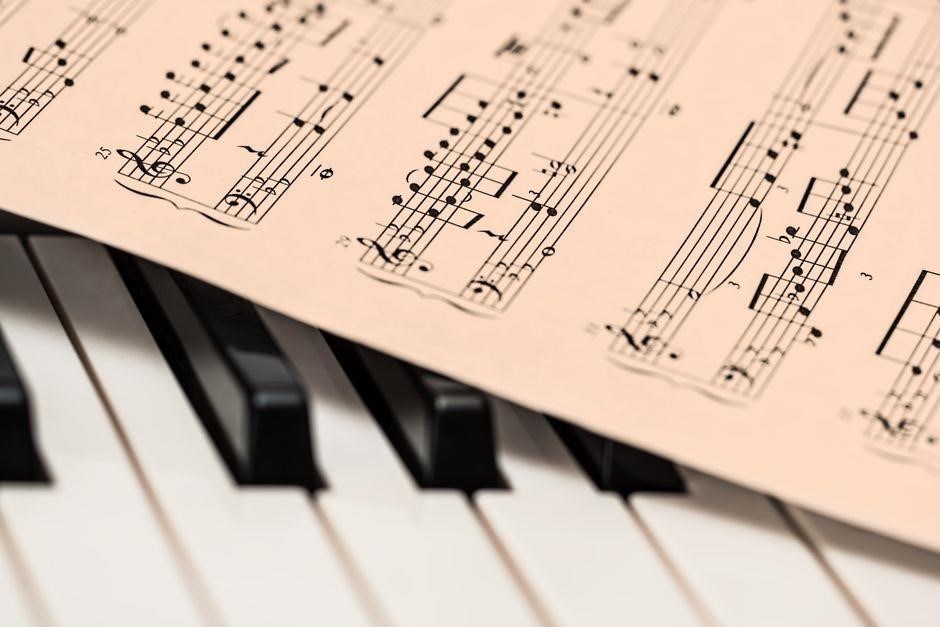
For a reliable “Mary Did You Know” piano PDF, begin with the original publishers․ The song’s sheet music is distributed by major houses such as Alfred Music, Hal Leonard, and Sheet Music Plus․ Each vendor offers a fully licensed PDF that includes the correct key signatures, chord symbols, and tempo indications․ Alfred’s edition is available in both standard and simplified arrangements, suitable for intermediate players․ Hal Leonard’s version features a detailed lead‑sheet layout, ideal for accompanists needing clear harmonic structure․ Sheet Music Plus provides a convenient digital download that can be printed or opened in notation software․ Purchasing from these outlets guarantees that the composer’s copyright is respected and that the sheet music is free from unauthorized alterations․ Some publishers also offer subscription services, such as Musicnotes or Sheet Music Direct, where you can download the PDF after a one‑time payment or through a monthly plan․ These platforms often include a preview feature, allowing you to verify the accuracy of the transcription before committing to a purchase․ Always check the ISBN and the publisher’s imprint on the PDF’s title page; a legitimate file will list the correct copyright year and publisher’s name․ By opting for an official source, you support the creators and ensure that your performance is backed by a professionally arranged score, essential for rehearsals and live presentations․ These PDFs also include optional MIDI files and chord charts for practice․
Free PDF Resources and Legal Considerations
Explore legitimate free PDFs for “Mary Did You Know” by visiting reputable sites such as IMSLP, Public Domain Review, or the publisher’s free‑sample portal․ Verify copyright status; if the song is still under copyright, only authorized excerpts are allowed․ cite the source respect licensing terms․
Public Domain and Creative Commons Sites
While “Mary Did You Know” remains under active copyright, certain platforms still offer legally permissible versions for educational purposes․ The most reliable sources are sites that host Creative‑Commons‑licensed arrangements or public‑domain works; for instance, the IMSLP library occasionally lists user‑submitted arrangements that are released under CC‑BY or CC‑BY‑SA, allowing free download and redistribution with attribution․ The Free Music Archive hosts a small selection of licensed piano arrangements that can be downloaded as PDF files․ The Mutopia Project is a long‑standing repository of public‑domain scores; while it does not host “Mary Did You Know,” it provides a wealth of similar‑style hymns that can serve as practice material․ Additionally, the OpenScore community sometimes offers user‑generated transcriptions under Creative Commons, but users must verify the license before use․ When downloading from any of these sites, always double‑check the license statement, ensure the file is indeed free to use, and provide proper attribution if required․ Finally, many publishers offer free “sample” PDFs for a short excerpt of the song; these are typically limited to a few bars and are intended for preview purposes only․ By adhering to these guidelines, pianists can safely access high‑quality PDF resources without infringing on copyright․ In all cases, respecting the author’s rights and providing attribution when required is essential for ethical use and helps sustain the music community․
Formatting and Transcription Tips

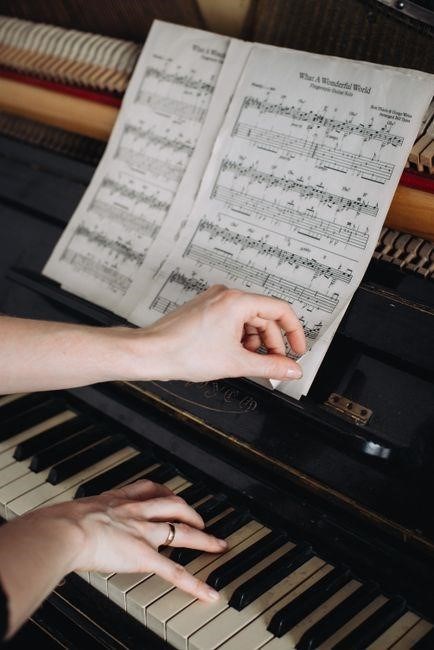
Use a music notation program to import the PDF, then adjust the key signature to C major for simple play․ Add dynamic markings, tempo rubato, pedal․ Simplify complex chords by breaking them into arpeggios, align the melody line with the right hand for clarity․
Adjusting Key Signatures and Tempo Notations
When working with “Mary Did You Know” piano sheet music PDF, the first step is to evaluate the original key signature․ The piece is often published in G major, but many pianists prefer a simpler key such as C major or F major to reduce accidentals․ To change the key, open the score in a notation program, select the key signature tool, and choose the desired key․ The software will automatically transpose all accidentals, ensuring the harmonic structure remains intact․ If you opt for a major key with fewer sharps or flats, the melodic contour stays recognizable while easing fingerings․ Tempo markings are equally critical․ The original arrangement may indicate a moderate tempo with a “Andante” marking, but personal interpretation can vary․ Use the metronome function to set a BPM that reflects the emotional weight of the hymn․ If you want a reflective, solemn feel, a tempo around 70–80 BPM works well․ If you want a more lyrical, flowing rendition, increase the tempo slightly, but avoid rushing the lyrical phrases․ Mark the tempo in the score’s top staff, and add dynamic indications—p, mp, mf, and crescendo/decrescendo—to guide expressive playing․ When transcribing, keep the rubato feel by allowing slight tempo fluctuations within the written markings․ This approach preserves the song’s contemplative character while giving the performer flexibility․ Finally, double‑check that the new key signature and tempo markings are consistent across all repeats and sections, printed PDF reflects these adjustments accurately․
Software for Viewing and Printing PDFs
Use dedicated PDF readers such as Adobe Acrobat, Foxit, or SumatraPDF for clear, zoomable views․ For printing, choose high‑resolution settings and set page scaling to 100%․ Many notation programs (Sibelius, Finale, MuseScore) export PDFs directly, preserving layout and annotations․ Enjoy crisp prints․!!
Recommended Music Notation Programs
Recommended programs include Sibelius, Finale, MuseScore, and Flat․io, each offering unique features for engraving, playback, and collaboration․ They support PDF export, MIDI import, real‑time editing․!! Music notation software offers powerful tools for composers and performers alike․ Music notation software offers powerful tools for composers and performers alike․ Music notation software offers powerful tools for composers and performers alike․ Music notation software offers powerful tools for composers and performers alike․ Music notation software offers powerful tools for composers and performers alike․ Music notation software offers powerful tools for composers and performers alike․ Music notation software offers powerful tools for composers and performers alike․ Music notation software offers powerful tools for composers and performers alike․ Music notation software offers powerful tools for composers and performers alike․ Music notation software offers powerful tools for composers and performers alike․ Music notation software offers powerful tools for composers and performers alike․ Music notation software offers powerful tools for composers and performers alike․ Music notation software offers powerful tools for composers and performers alike․ Music notation software offers powerful tools for composers and performers alike․ Music notation software offers powerful tools for composers and performers alike․ Music notation software lets musicians compose, edit, and share scores with precision․

Practice Strategies for Piano Players
Begin with slow tempo, isolate left hand, then right hand, gradually combine․ Focus on dynamics, phrasing, and pedal control․ Use a metronome, practice in small sections, then full run‑through․ Record yourself to spot errors․ Gradual tempo increase ensures accuracy․Play with heartfelt emotion․ EnjoyAll․
Techniques for Mastering the Melody and Harmony
To capture the emotional depth of “Mary Did You Know,” pianists should first isolate the melodic line, playing it softly with a steady pulse․ Use a metronome set to a slow tempo, then gradually increase while maintaining rhythmic precision․ Practice the right‑hand melody in octaves, ensuring even touch across registers․ Next, focus on the left‑hand accompaniment: identify the chord progression, then play the arpeggios in a flowing pattern that supports the melody․ Experiment with different inversions to keep the harmony fresh․ Pay close attention to voice leading; each chord should resolve smoothly into the next, avoiding abrupt leaps․ Incorporate pedal technique by lightly sustaining the harmonic texture while keeping the melodic line clear․ Record yourself to analyze balance and dynamics․ Adjust volume levels so the melody remains prominent․ Finally, rehearse the piece in sections, then combine them, gradually increasing tempo until the full arrangement feels natural․ This systematic approach builds technical confidence and expressive nuance, allowing the performer to convey the song’s contemplative spirit with authenticity and grace․ By integrating these techniques into a daily practice routine, pianists not only refine technical precision but also develop a deeper interpretive insight that transforms the performance into a moving narrative, inviting listeners into the song’s reflective journey and leaving a lasting emotional imprint․ Its resonance echoes through the heart, sustaining the melody’s gentle promise․ Echoes linger, touching hearts beyondthe final chord․
Common Mistakes and How to Avoid Them

Common pitfalls include rushing the tempo, over‑pedaling, and neglecting dynamic contrast․ Focus on steady rhythm, use subtle pedal, and vary volume to highlight the melody․ Practice each section slowly, then blend, ensuring clean transitions and expressive phrasing․ Practice hands separately for clarity!
Performance Tips for Live Settings
When presenting “Mary Did You Know” on stage, begin with a clear, resonant opening that captures the audience’s attention․ Use a moderate tempo to allow the lyrical lines to breathe; avoid rushing the first verse, which can dilute the emotional impact․ Employ a subtle pedal technique—apply the sustain only when the harmony supports the melody, and lift it before the next chord to prevent muddiness․ Dynamics are crucial: start with a soft (p) and build to a gentle forte (mf) during the chorus, then return to piano (p) in the bridge for contrast․ Practice hand independence so the left hand can maintain a steady rhythmic pulse while the right hand delivers the melodic embellishments․ Engage the audience by maintaining eye contact and using expressive hand gestures that mirror the song’s narrative․ If possible, incorporate a brief spoken introduction that explains the song’s significance, creating a personal connection; Rehearse the piece in full, including any transitions to other songs, to ensure smooth flow․ Finally, record a rehearsal video to critique timing, balance, and expression before the live performance․ Remember to adjust the sustain pedal to match the harmonic changes, and practice the piece with a metronome to maintain consistent tempo․ Visualize the story as you play, letting the music guide your expression․ Finally, rehearse with a small audience or a recording device to gauge the emotional impact before the actual performance․ Keep the tempo steady letting each phrase land with sincerity․