
Ski Sizing Guide: Finding the Perfect Fit (Updated 12/22/2025)
Navigating ski length can be complex! From head to nose height guidelines, experience and style matter most, impacting choices for touring,
freeride, and cross-country skis.
Understanding the Basics of Ski Length
Ski length is a crucial factor influencing performance, but it’s rarely a simple calculation based solely on height. While guidelines ranging from head height to never exceeding nose height exist, they represent a starting point, not a definitive rule. The core concept revolves around surface area – longer skis provide more stability at speed and better float in powder, while shorter skis offer increased maneuverability and easier turning.
However, this is where individual factors come into play. A beginner will benefit from shorter lengths for enhanced control, whereas an expert skier might prefer longer skis to unlock higher speeds and more aggressive turns. Understanding how ski length interacts with your weight, ability, and preferred terrain is paramount to finding the perfect fit. It’s about balancing stability, control, and responsiveness to match your skiing style.
Why Height Isn’t the Only Factor
Relying solely on height for ski sizing is a common mistake. While height provides a baseline, it overlooks critical elements that significantly impact the ideal ski length. Your weight plays a substantial role; heavier skiers generally require longer skis for increased stability and support, while lighter skiers may find shorter skis more manageable.
Furthermore, skiing ability is paramount. Beginners benefit from shorter skis for easier control and turning, fostering confidence on the slopes. Intermediate and advanced skiers can progressively explore longer lengths as their skills develop. Finally, skiing style – whether carving, freeriding, or park skiing – dictates the optimal length. A one-size-fits-all approach simply doesn’t work; personalized consideration is key to unlocking peak performance.
The Role of Skiing Ability
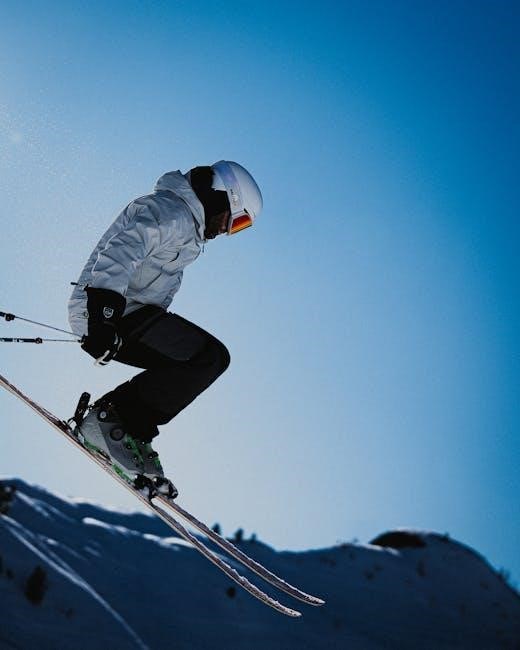
Skiing ability is a cornerstone of proper ski sizing. Beginners should prioritize control and ease of turning, making shorter skis the ideal choice. These lengths facilitate learning fundamental techniques like the wedge and allow for quicker, more manageable turns, building confidence on easier slopes.
As skiers progress to an intermediate level, a balance between stability and maneuverability becomes crucial. Slightly longer skis offer improved performance at moderate speeds and varied terrain. Advanced and expert skiers, possessing refined technique and strength, can leverage longer skis for enhanced edge hold, speed, and stability, particularly on challenging runs. Remember, skill level dictates the ski’s responsiveness and overall performance characteristics.
Skiing Style and its Impact on Length
Your preferred skiing style significantly influences optimal ski length. Aggressive skiers who favor carving and high-speed turns generally benefit from longer skis, providing superior edge hold and stability at velocity. Conversely, those who enjoy playful, freestyle skiing or navigating tight spaces will find shorter skis more maneuverable and responsive.
Touring skiers require a nuanced approach, balancing uphill efficiency with downhill performance. Often, a slightly shorter length is preferred for easier ascents, while freeride skiers prioritize floatation in powder, leaning towards longer lengths. Understanding your dominant style—whether it’s relaxed cruising, dynamic carving, or adventurous off-piste exploration—is key to selecting skis that complement your technique and maximize enjoyment.
Different Ski Types Require Different Lengths
Ski type dramatically impacts length selection. All-mountain skis offer versatility, with lengths typically falling within a moderate range, balancing maneuverability and stability. Freeride/powder skis prioritize floatation, demanding longer lengths – a few centimeters extra – to prevent sinking in deep snow.
Carving skis emphasize edge hold and precision, often benefiting from slightly longer lengths for enhanced control at speed. Touring skis require a balance between uphill efficiency and downhill performance, frequently leaning towards shorter lengths for easier ascents. Finally, park skis prioritize maneuverability and playfulness, favoring shorter lengths for spins, jumps, and tricks. Recognizing your primary skiing terrain and discipline is crucial for choosing the appropriate length.
All-Mountain Skis: Versatility in Length
All-mountain skis are the jack-of-all-trades, demanding a length that balances performance across varied conditions. Generally, skiers should consider lengths falling within a moderate range, typically around their height or slightly shorter. This provides a blend of maneuverability for tighter turns and stability at higher speeds.
For beginners, erring on the shorter side within the all-mountain range enhances control and ease of turning. More experienced skiers might opt for a slightly longer length to unlock greater stability and carving performance. The ideal length depends on individual weight, ability, and preferred terrain. A versatile length allows you to confidently tackle groomed runs, powder stashes, and everything in between, making them a popular choice for diverse skiers.
Freeride/Powder Skis: Prioritizing Float
When venturing off-piste into deep snow, floatation becomes paramount. Freeride and powder skis demand a longer length than all-mountain skis to prevent sinking and maintain control. The increased surface area distributes your weight more effectively, allowing you to glide effortlessly over soft snow.
Typically, skiers should consider lengths extending several centimeters above their height, even up to the nose. Heavier skiers or those tackling exceptionally deep powder will benefit from even longer lengths. While maneuverability is still important, the primary goal is to maximize float and stability in challenging conditions. A longer length provides the necessary surface area to stay on top and enjoy the thrill of untracked powder. Don’t be afraid to size up significantly for optimal performance!
Carving Skis: Edge Hold and Precision

For skiers who prioritize precise turns and carving on groomed runs, ski length plays a crucial role in achieving optimal edge hold and control. Carving skis generally require a shorter to mid-range length compared to freeride or powder skis. This allows for quicker edge-to-edge transitions and enhanced maneuverability.
Experienced skiers often prefer lengths closer to their height or even slightly shorter, enabling tighter turns and greater responsiveness. A shorter radius carving ski demands less effort to initiate a turn. However, beginners might benefit from a slightly longer length within the carving range for increased stability. The goal is to find a balance between agility and stability, allowing you to confidently carve clean arcs down the slopes. Precision is key with these skis!
Touring Skis: Balancing Uphill and Downhill Performance
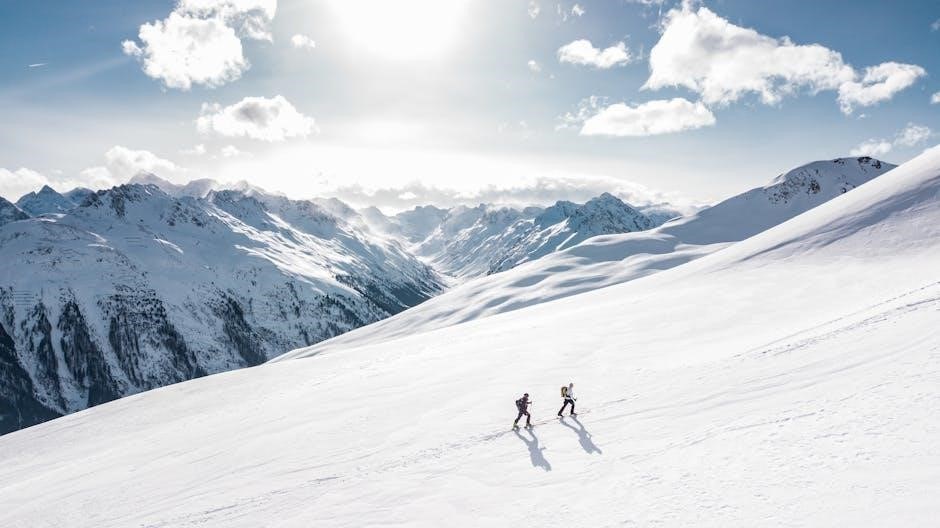
Touring skis demand a nuanced approach to length selection, as they must excel both on the ascent and descent. A lighter weight ski is crucial for efficient uphill travel, often leaning towards a slightly shorter length than all-mountain skis. This reduces strain during skinning and improves maneuverability in variable snow conditions.
However, downhill performance shouldn’t be sacrificed. Experienced tourers might opt for a length closer to their height to maintain stability at speed and in challenging terrain. The ideal length balances uphill efficiency with downhill control. Consider your typical touring style – are you prioritizing long ascents or aggressive descents? Adjust accordingly. A few centimeters can make a significant difference in overall performance.
Park Skis: Maneuverability and Playfulness
Park skis prioritize agility and ease of manipulation, making shorter lengths the norm. This allows for quick turns, effortless spins, and playful maneuvers on rails and jumps. A shorter ski radius further enhances maneuverability, enabling precise control in the park.
Generally, park skiers will choose a length significantly below their height – sometimes even down to chin height. This isn’t about sacrificing stability, but rather optimizing for the specific demands of freestyle skiing. However, taller or heavier riders might prefer a slightly longer park ski to maintain some stability at higher speeds or when venturing outside the park. Consider your skill level and preferred style; beginners may benefit from even shorter lengths for increased control.
Using a Ski Size Calculator
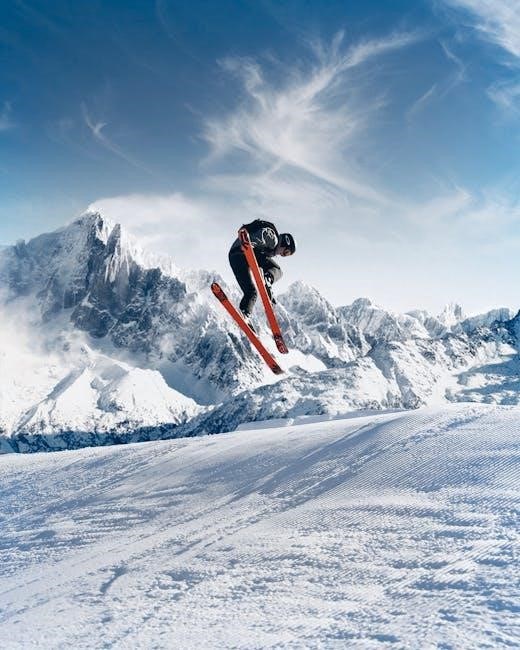
Ski size calculators are valuable tools, offering a personalized starting point based on multiple factors. These tools typically request your height, weight, skiing ability, and preferred style. They then apply algorithms to estimate an appropriate ski length range, moving beyond simple height-based recommendations.
However, remember that calculators provide estimations, not definitive answers. They often begin with a base calculation derived from height (around 0.9 times your height in centimeters) and then adjust based on the inputted data. Most calculators won’t work for children under 2.6 ft (80 cm). It’s crucial to view the calculator’s output as a suggestion, and always consider individual preferences and terrain. Utilize built-in ski size charts alongside the calculator for a more comprehensive assessment.
Ski Size Charts: A Starting Point
Ski size charts are excellent resources for beginners seeking initial guidance, providing recommended lengths based on height and ability level. These charts categorize skiers – beginner, intermediate, and advanced – and correlate each level with a corresponding ski length range for a given height.
However, it’s vital to recognize that charts offer a generalized starting point, not a perfect fit. They don’t account for individual weight, skiing style, or the specific terrain you’ll be tackling. Consider chart recommendations as a broad guideline, and always supplement this information with other factors. Experienced skiers often deviate from chart suggestions, opting for lengths tailored to their performance goals. Use charts to narrow down your options, but don’t rely on them as the sole determinant of your ski size.
Adjusting for Weight
Weight significantly influences ski performance, demanding adjustments to standard sizing recommendations. Heavier skiers require longer skis to provide adequate support and stability, preventing the skis from flexing too easily. Conversely, lighter skiers generally benefit from shorter skis, enhancing maneuverability and control.
The general rule is to add or subtract a few centimeters from the chart-recommended length based on your weight relative to the average for your height. If you’re considerably heavier than average, size up. If you’re lighter, consider sizing down. This adjustment ensures the ski’s stiffness and flex pattern align with your body weight, optimizing responsiveness and preventing fatigue. Remember, this is a refinement to the initial size estimate, not a replacement for considering other factors.
Real-Time Recommendation Considerations
Modern ski sizing tools offer “real-time” recommendations, but understanding their limitations is crucial. These calculators typically begin with height as a base (around 0.9 times your height in centimeters) and then apply adjustments based on ability, skiing style, and intended use. However, they aren’t foolproof and shouldn’t be the sole determinant.
Be aware that many calculators have limitations – some don’t work for children under 80cm. They provide a starting point, but personal preference and nuanced factors aren’t always captured. Rental technicians often override calculator suggestions based on experience. Consider the calculator’s input parameters carefully; accurate self-assessment of your ability is key. Remember, a few centimeters can make a difference, tweaking length for float versus maneuverability.
Ski Length Recommendations Based on Height
Height serves as a foundational starting point for ski sizing, but it’s rarely definitive. For beginners, shorter skis are generally recommended, prioritizing control and ease of turning – facilitating the “pizza wedge” for slowing down. This builds confidence and technique. As skiers progress to an intermediate level, finding a balance becomes key; slightly longer skis offer stability at moderate speeds while remaining manageable.
Advanced and expert skiers often opt for performance-oriented lengths, leaning towards longer skis for increased stability at higher speeds and better carving performance. However, even within these categories, individual factors like weight, skiing style, and terrain preferences significantly influence the ideal length. Remember, these are guidelines, not rigid rules.
For Beginners: Shorter Skis for Control
New to skiing? Shorter skis are your friend! They dramatically enhance control and maneuverability, crucial for building foundational skills. A shorter length reduces the turning radius, making it easier to initiate and complete turns, especially when learning techniques like the wedge or “pizza” to manage speed. This increased control fosters confidence and reduces the risk of feeling overwhelmed.
Shorter skis are more forgiving, requiring less effort to control and allowing beginners to focus on proper form and balance. They’re also easier to handle in varied snow conditions. While experienced skiers might find them less stable at high speeds, the benefits for beginners – ease of learning and increased confidence – far outweigh any potential drawbacks. Prioritize control over speed when starting out!
For Intermediate Skiers: Finding the Balance
Intermediate skiers are ready to explore a wider range of ski lengths! You’ve mastered the basics and are comfortable linking turns, now it’s time to find a length that balances control with emerging performance needs. This stage is about refining technique and experimenting with different styles.
Consider your preferred terrain. Do you enjoy groomed runs, venturing off-piste, or a mix of both? Slightly longer skis offer increased stability at moderate speeds and improved performance on varied terrain. However, avoid going too long too soon, as it can hinder maneuverability. A length near your height, or slightly below, is a good starting point. Fine-tune based on your weight and skiing style – a heavier skier or someone who prefers aggressive carving might benefit from a longer length.
For Advanced/Expert Skiers: Performance-Oriented Lengths
Advanced and expert skiers demand precision and responsiveness from their equipment. You’re comfortable in all conditions and actively seeking to push your limits, so ski length becomes a crucial tool for maximizing performance. Generally, you’ll gravitate towards longer skis to unlock greater stability at high speeds and enhanced carving capabilities.
Length selection is highly personalized. An expert skier, like a 60-year-old at 175lbs, might utilize skis ranging from 180 to 186cm, reserving the longest for powder and the shorter for carving. Don’t be afraid to experiment! Consider your weight, aggressive tendencies, and the terrain you frequent. Longer skis excel in open terrain and powder, while slightly shorter lengths offer quicker edge-to-edge transitions for tighter turns. There’s no foolproof equation, but understanding your preferences is key.
Rental Technician Insights: Practical Advice
As a rental technician, I see skiers of all levels daily, and sizing is often a point of confusion. Height charts are a starting point, but rarely the final answer. For example, at a specific height and weight, skis in the 180-186cm range might be too long; a 170-175cm ski could be a better fit.
Don’t hesitate to ask for assistance! We assess your ability and intended use. If you lack a choice, opting for the shorter end of a range is generally preferable. Remember, control is paramount. A slightly shorter ski is easier to manage, especially when learning or in challenging conditions. We prioritize getting you on skis that inspire confidence and allow you to enjoy your time on the mountain. Trust our experience – we want you to have a great day!
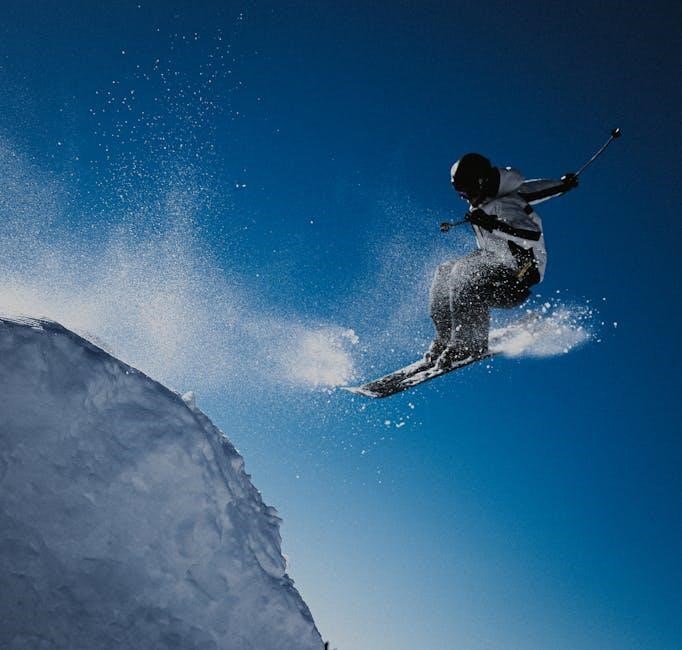
Impact of Ski Length on Speed and Control
Ski length profoundly influences performance at varying speeds and control levels. For beginners transitioning from the bunny slopes, shorter skis are invaluable. They facilitate easier turning and forming a “pizza wedge” for controlled deceleration, building confidence and fundamental skills.
As skiers progress, longer skis unlock greater stability at higher speeds. However, this comes with increased demands on technique and strength. Shorter skis remain more maneuverable for navigating tight spaces or variable snow conditions. Finding the right balance is key; a ski that allows you to comfortably control your speed and maintain stability is ideal. Ultimately, ski length dictates how easily you can initiate, hold, and recover from turns.
Considering Terrain: Matching Skis to the Mountain
The mountain’s character dictates the optimal ski length. Groomed runs favor skis allowing for carving precision, often leaning towards the longer end of your recommended range. Conversely, off-piste adventures in powder demand skis prioritizing floatation – generally longer and wider.
Variable conditions require versatility. All-mountain skis strike a balance, but consider your predominant terrain. Frequent backcountry excursions necessitate longer lengths for stability and powder performance. Park skiers benefit from shorter, more maneuverable skis for tricks and jumps. Ultimately, aligning ski length with the terrain you frequent maximizes enjoyment and performance, ensuring you’re equipped to handle whatever the mountain throws your way.
Understanding Ski Width and its Relation to Length
Ski width profoundly impacts performance, interacting with length for optimal results. Wider skis (90mm+) excel in powder, providing increased floatation, and often pair well with slightly longer lengths to maintain stability. Narrower skis (under 85mm) are designed for groomed runs, prioritizing edge hold and quick turns, and may suit shorter lengths for enhanced maneuverability.
Consider your typical conditions. All-mountain skis typically fall in the 85-95mm range, offering a versatile blend. A wider ski requires more effort to turn on hardpack, while a narrow ski can struggle in deep snow. Length adjustments compensate for width – wider skis often benefit from a few extra centimeters to maintain control and stability across varying terrain.
Children’s Ski Sizing: Specific Considerations
Sizing skis for children differs significantly from adult sizing. Growth spurts and developing abilities require a more flexible approach. Generally, children’s skis should fall between chin and nose height, erring on the shorter side for beginners to maximize control and build confidence.
Avoid the temptation to “size up” for longevity. Skis that are too long hinder learning and can be dangerous. Rental shops often have excellent guidance, and it’s crucial to accurately assess a child’s height and skiing ability. Remember, calculators typically don’t function for children under 2.6 ft (80 cm), emphasizing the need for expert fitting. Frequent re-evaluation is key as children grow rapidly.
When to Size Up or Down
Adjusting ski length isn’t always straightforward; it depends on evolving conditions and skill. If you consistently feel unstable at higher speeds, or find turning difficult, consider sizing up for increased stability. Conversely, if you’re struggling with maneuverability, especially in tighter terrain or park features, downsizing can improve responsiveness.
Terrain plays a crucial role. Powder days often warrant sizing up to enhance floatation, while hardpack conditions might benefit from a slightly shorter length for quicker edge-to-edge transitions. Don’t hesitate to consult a rental technician – their experience offers invaluable insights. Remember, there’s no “foolproof equation,” so prioritize how the skis feel and adjust accordingly.

Beyond the Numbers: Personal Preference
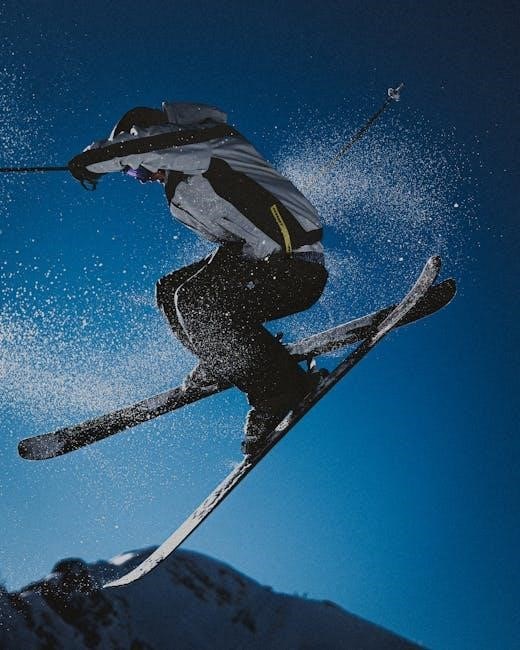
Ultimately, ski sizing transcends charts and calculations; it’s deeply personal. While recommendations provide a solid starting point, your individual feel on snow is paramount. An expert skier, comfortable pushing limits, might prefer a longer ski for stability at speed, even if it deviates from standard guidelines.
Experimentation is key. Demo different lengths within the suggested range to discover what truly suits your style and confidence level. Consider your body type and athletic build – a stronger skier might handle a longer ski more effectively. Don’t be afraid to break the “rules” if a particular length simply feels right. Trust your instincts and prioritize enjoyment on the mountain!